
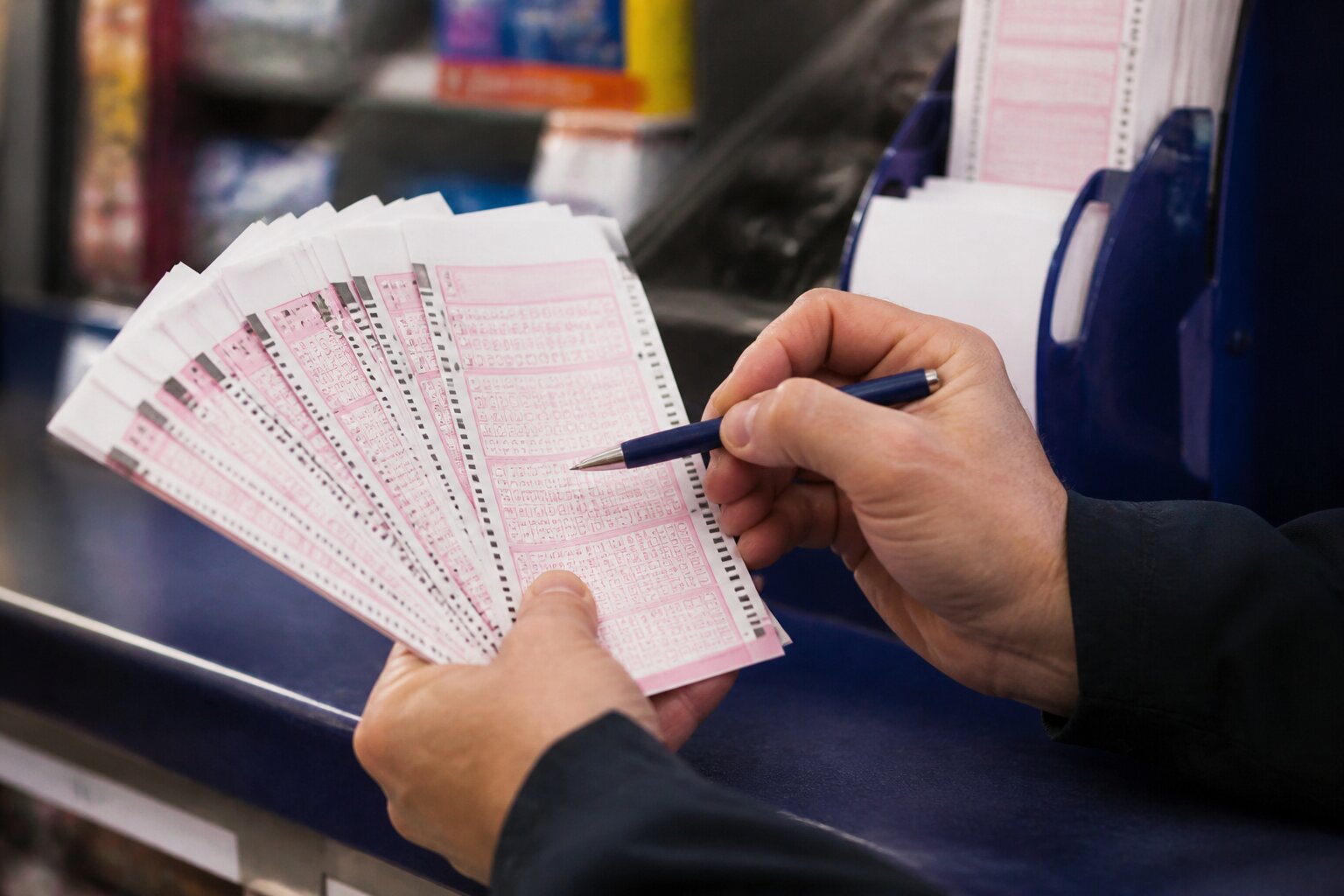
If you’ve ever wondered whether buying more tickets makes sense or whether limits apply, you’re not alone. Many players consider buying several entries for the same draw, whether alone or as part of a group.
Knowing the rules avoids surprises, keeps play lawful, and helps you make sensible choices. Read on for a clear, practical guide to purchase limits, checks, and sensible practice so you can plan your next play with confidence.
What Are the Official Limits on Lottery Ticket Purchases?
In the UK, national lottery draws have defined purchase limits to ensure transactions are clear and controlled. For most National Lottery draws, online purchases are limited to 10 tickets per draw, and each ticket may include up to 10 lines of numbers. Retail outlets typically operate under similar practical constraints, and individual retailers may impose their own policies to manage sales in-store.
All purchasers must be aged 18 or over; both stores and online providers are required to verify this before completing a sale. Operators also use systems that will block transactions exceeding permitted amounts, so attempts to buy more than the allowed number are usually prevented automatically.
These limits exist to keep play regulated and traceable, and the next section explains how national and local lotteries differ in how they apply those rules.
Are There Differences Between National and Local Lotteries?
National lottery games follow a standard framework with set purchase limits and consistent verification procedures. They are subject to formal oversight, so the rules you encounter in one national product will be broadly similar across others.
Local or society lotteries—those organised by charities, clubs or community groups—can operate with more variation. Their licences set out specific conditions, and some may limit the number of tickets per person while others do not impose a formal cap. Even so, operators must still promote safe play and adhere to the regulator’s baseline requirements, including age checks and transaction monitoring.
Variation between operators means it’s sensible to check the specific terms of the lottery you’re entering; the next section looks at how these rules are applied differently in shops and online platforms.
Buying Lottery Tickets In Person vs Online
Buying tickets at a physical outlet and buying online both follow the same legal principles, but the way limits and checks are enforced differs in practice. Both routes aim to prevent underage play, excessive purchases and fraud, yet the practical steps taken and the timing of checks can vary between the two channels.
Ticket Purchase Limits at Retail Outlets
At a shop, staff verify age where appropriate and process purchases through a terminal that may restrict the number of tickets or lines per transaction. These terminals are configured to apply statutory limits and retailer policies at the point of sale, so any attempt to exceed allowable quantities can be blocked immediately.
Retailers sometimes apply their own measures to discourage bulk purchases that could be considered excessive; these measures are intended to protect customers and the integrity of sales. Such measures can include staff training to spot concerning buying patterns, asking for additional identity checks, or refusing very large transactions. These steps are generally applied at the time of purchase and rely on human judgement as well as technical controls.
Online Lottery Purchase Restrictions
Online platforms enforce purchase restrictions through account controls and transaction limits. Digital age verification is completed during registration, and the system will typically prevent a customer from adding more than the permitted number of tickets for a single draw. These controls operate continuously, which means limits are checked automatically for each session and each transaction.
Online accounts often include tools to monitor spending and to flag unusual activity, which adds an extra layer of oversight compared with a one-off shop purchase. Providers may offer configurable spend limits, cooling-off periods and activity alerts, and they can suspend or block accounts if behaviour appears risky. In addition, digital records make it easier to review purchase history and identify patterns that might require further checks or intervention.
Understanding these differences helps when deciding how to buy, and the following section explains what identification or additional checks might be required if multiple tickets are involved.
What IDs or Checks Are Required When Buying Multiple Tickets?
Proof of age is the baseline requirement for all sales: shops may ask for photographic ID such as a passport or driving licence if there is any doubt about a customer’s age. Online operators use electronic age-verification checks when an account is created and may request further documentation if transactions look unusual.
If someone repeatedly attempts large purchases or displays a sudden change in buying patterns, the operator may ask for extra identity verification to satisfy anti-fraud and anti-money-laundering rules. These checks apply whether purchasing one ticket or several, and they help ensure only eligible adults take part and that transactions are legitimate.
These verification steps also protect the wider system; next, we’ll consider why limits exist in the first place.
Why Do Purchase Limits Exist?
Limits are in place for several practical reasons. They reduce the chance of excessive spending by a single individual, make suspicious financial activity easier to spot, and help maintain fairness in how tickets are sold. While the odds associated with each ticket are fixed, limits stop any single buyer from overwhelming the system or facilitating behaviour that could lead to financial harm.
From an operator perspective, caps and monitoring support compliance with broader legal obligations, including measures to prevent money laundering. The controls therefore serve both player protection and the integrity of the lottery market. The next section covers what happens when someone tries to go beyond those controls.
Are There Penalties for Exceeding Ticket Purchase Rules?
Systems are usually designed so that transactions exceeding permitted limits will not complete. When deliberate attempts are made to bypass restrictions, an operator may suspend or close the account involved, and persistent breaches can lead to a permanent ban from purchasing tickets.
Operators are required to report suspicious or repeated rule-breaking to the relevant authorities. In cases where illegal activity is suspected, investigations can follow, and further action may be taken. These enforcement steps underline the importance of staying within the stated limits and using the available account controls to avoid problems.
Having covered enforcement, the next section dispels common misunderstandings around buying tickets in bulk.
Common Misconceptions About Bulk Lottery Buying
A frequent misunderstanding is that simply buying many tickets makes winning more likely in a meaningful way; each ticket is an independent entry subject to the same draw mechanics. There is also the belief that limits do not apply widely—when in reality purchase caps and monitoring are standard across most operators.
Another myth is that large-scale purchases are a reliable strategy used by successful players. Evidence does not support this; playing more entries increases the number of chances but does not change the fundamental way a draw operates. Clear communication from providers emphasises adhering to limits and using account features to keep spending under control.
With these misconceptions cleared up, the final section outlines practical steps you can take to stay within the rules while continuing to play.
How to Stay Within the Rules When Buying Tickets
A practical approach to compliant play begins with awareness of the ticket limits for the specific draw you want to enter and using the tools your provider offers. Monitoring spending, setting personal boundaries, and using any available account limits can prevent accidental breaches. If you share entries with others, agree on a clear method for pooling contributions and record who has which ticket to avoid confusion.
Online accounts usually include optional controls for spending and self-exclusion; these help manage play over time and ensure transactions stay within both personal budgets and operator limits. Regularly checking account activity and responding to requests for extra verification promptly will reduce the chance of interruptions to future purchases.
Adopting these habits keeps play orderly, protects your finances, and supports the fair running of the lottery for everyone.
**The information provided in this blog is intended for educational purposes and should not be construed as betting advice or a guarantee of success. Always gamble responsibly.