
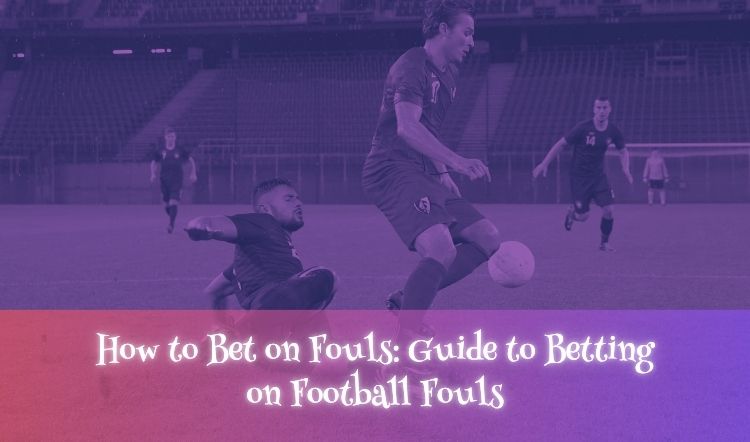
Betting on football fouls tends to sit in the background, but it offers a fresh way to read a match. Instead of focusing only on goals and full-time results, some punters follow card counts, tackle numbers and how the referee applies the Laws of the Game.
This blog post breaks down how foul bets work, what counts as a foul, how lines and odds are set, and which statistics are genuinely useful. It also looks at the main market types, the factors that shape foul totals, and the common traps to avoid.
If you do choose to get involved, set sensible limits that suit you and make use of the tools available to stay in control.
Read on to learn more.
What Counts As A Foul In Football?
A foul is any unfair act by a player that the referee deems to break the rules. Typical examples include tripping, pushing, holding and handball by an outfield player. Non-contact offences such as spitting or using abusive language can also be penalised.
The referee will usually give a foul for challenges judged to be careless, reckless or using excessive force. Not every stoppage is a foul. Offside and the ball going out of play do not count for betting purposes. For statistics, fouls are generally incidents where the referee awards a direct or indirect free kick, including penalties when relevant to the provider’s definition.
Bookmakers and data providers can define these events in slightly different ways. Always check the market rules so you know what is being counted and how bets are settled.
Once that definition is clear, the structure of the markets starts to make a lot more sense.
How Are Foul Betting Markets Structured?
Foul betting markets focus on how many fouls are committed, and by whom. The staples are total match fouls, team fouls and player fouls, often offered as over or under a set line. You may also see which team will commit the most fouls, or whether a player will commit a certain number.
Some firms list exact total markets, where you predict the precise number of fouls, and player thresholds such as a defender to commit 2 or more fouls. Odds reflect how likely the bookmaker believes each outcome is, with more common results priced shorter.
These markets are usually found under Specials or Player Stats. Read the settlement rules before placing a bet, especially around how penalties, advantages and corrections after the match are handled.
How Do Bookmakers Set Foul Lines And Odds?
Bookmakers blend historical data with modelling. They look at team and player foul rates, referee tendencies, past meetings and expected line-ups. If two high-pressing sides meet under a referee who typically awards many fouls per match, the opening line will usually be set higher than average.
Context matters. A derby can add intensity, while injuries or suspensions might alter how combative a team can be. Expected tactical plans are factored in too. A side switching to a compact, man-oriented approach may be projected to commit more challenges in dangerous areas.
Prices and lines move when new information lands. Team news, changes in weather or pitch conditions, and referee appointments can all nudge numbers up or down as kick-off approaches.
Understanding these inputs helps you read what the odds are really saying about the nature of the match.
What Data Should I Use To Predict Fouls?
Several data points are useful when assessing fouls.
Start with recent team and player foul rates, ideally per 90 minutes to account for playing time. Add fouls suffered and dribble data on the opposition. Defenders facing quick, high-volume dribblers often concede more fouls, especially in wide areas.
Referee information is crucial. Key indicators include average fouls per game, how often play is stopped for minor contact, and any trends by competition. Some referees allow more advantage, which can lower recorded foul counts even if the match is physical.
Fixture context adds detail. Head-to-head records can hint at patterns, though samples are often small. Focus on what has changed since those meetings, such as managers, line-ups and style. Tactical notes help too. A team asked to press higher or mark tightly around the halfway line may rack up more challenges than usual.
Bring these strands together and you start to see why certain matches lean higher or lower on foul totals.
Team And Player Factors That Affect Foul Totals
Styles of play shape foul numbers. Teams that press aggressively, contest second balls and defend one-on-one tend to commit more fouls than sides that control possession and defend with space.
Roles matter as well. Holding midfielders, full-backs and centre-backs engage in more duels, so they are more exposed to fouls. A full-back isolated against a pacey winger, or a screening midfielder tasked with breaking up play, is a common driver of individual foul markets.
Match state influences behaviour. Teams defending a narrow lead may make more tactical fouls to slow transitions. Fatigue can increase mistimed tackles, particularly late on or during congested schedules. Rotations after injuries or suspensions may also raise foul counts if replacements are less suited to the assignment.
These factors rarely act alone. It is the blend of style, roles and match context that pushes totals up or down.
How To Read And Compare Foul Statistics From Different Sources?
Foul stats are tracked by several providers, and methods can vary. Some count only incidents that end in a free kick, while others include penalties or fouls where the referee plays advantage and returns to caution at the next stoppage.
Be clear on the metric. Fouls committed and fouls suffered are different, and the latter can inflate numbers for teams with dribblers who draw contact. Check whether minutes played are considered. Per-90 figures make player comparisons fairer, and per-match baselines help when teams have had extra time or red cards affecting the flow.
When possible, cross-check at least two reputable sources and read their definitions. If numbers diverge, the reason is usually a recording choice rather than an error. Knowing that helps avoid false conclusions.
With the data side in order, the in-play picture becomes easier to interpret.
How Does Live Betting On Fouls Work?
Live betting on fouls runs in real time. As a match develops, lines and odds move with game flow. A spiky opening with frequent whistles can push total lines up. A half where the referee sets a clear threshold and players adjust may see fewer calls later on.
Game state often shifts behaviour. Early yellow cards can make defenders more cautious, sometimes lowering their likelihood of further fouls, while a team chasing the game may commit more tactical infringements to stop counters. Substitutions and formation tweaks also change the profile of likely challengers.
There can be delays between an incident and markets updating, and rules differ on how quickly bets are settled. Knowing your bookmaker’s approach reduces surprises.
If you prefer in-play activity, set firm limits and take regular pauses so decisions stay measured.
Common Mistakes To Avoid When Betting On Fouls
Skipping the market rules is a costly error. Definitions around penalties, advantage and post-match corrections can affect outcomes, so check how each market is settled.
Another pitfall is relying on headline form without context. A dip or spike in fouls may be driven by a specific opponent, a change in tactics or an unusual refereeing display. Weigh broader samples and current team news before forming a view.
Referee influence is often underestimated. A strict official can lift totals even when teams are not especially physical, while a lenient one can keep numbers down despite plenty of contact.
Small samples can be misleading. One or two matches rarely tell the full story, particularly for player props. Give more weight to sustained tendencies and roles.
Finally, avoid chasing losses or reacting emotionally to late swings. A clear plan and pre-set limits help keep judgement steady.
Are Foul Bets Worthwhile For Football Punters?
Foul markets suit punters who enjoy the tactical and officiating side of football, and who are comfortable using data on styles, roles and referees. They offer a different angle to the usual score line bets and can add variety for those who like to analyse the details.
They also demand patience. Outcomes can be shaped by officials, match state and unexpected events, so nothing is certain and swings do happen. If you decide to get involved, keep stakes proportionate and treat it as an occasional part of watching football rather than a focus.
If gambling starts to affect your well-being or finances, seek support early. Organisations such as GamCare and GambleAware provide free, confidential help. Stay informed, stay in control and enjoy the football on its own terms.
**The information provided in this blog is intended for educational purposes and should not be construed as betting advice or a guarantee of success. Always gamble responsibly.