Bingo is a simple game of numbers that has travelled a surprising path from village squares to modern screens. What began centuries ago as a communal lottery has been refashioned many times, reflecting local tastes, technology and social life.
This article follows that journey: where bingo started, how it reached the UK, the key changes that shaped the formats we play today, and the moments that made the game part of British culture. Read on to see how a modest numbers game became a familiar social tradition.
Where Did Bingo Begin? Exploring Early Roots
Bingo’s earliest ancestor appears in 16th-century Italy under the name Il Gioco del Lotto d’Italia, a weekly lottery that became firmly embedded in local custom. That simple lotto format — numbers drawn and marked on a card — established the basic mechanics that would endure for centuries.
In the late 1700s the game crossed into France as Le Lotto. The French version used printed cards organised in grids and introduced the habit of marking numbers as they were called, moving the game away from pure draw-based lotteries toward something more interactive. By the 19th century, a German adaptation turned the format into a teaching tool in schools, where numbered cards helped pupils practise arithmetic and spelling. These adaptations show how flexible the core idea was: a set of numbers, a method of calling them and a marked card that records progress.
This groundwork set the stage for bingo’s wider spread and the variations that would follow, including different card layouts and winning patterns — details that explain how the game adapted once it reached new audiences.
How Did Bingo Arrive in the UK?
Bingo reached Britain in the early 20th century via a version known as beano, carried across the Atlantic and popularised at community events and fairs. Social gatherings after the First World War created a ready audience, and by mid-century the pastime had become a familiar feature of social clubs and parish halls.
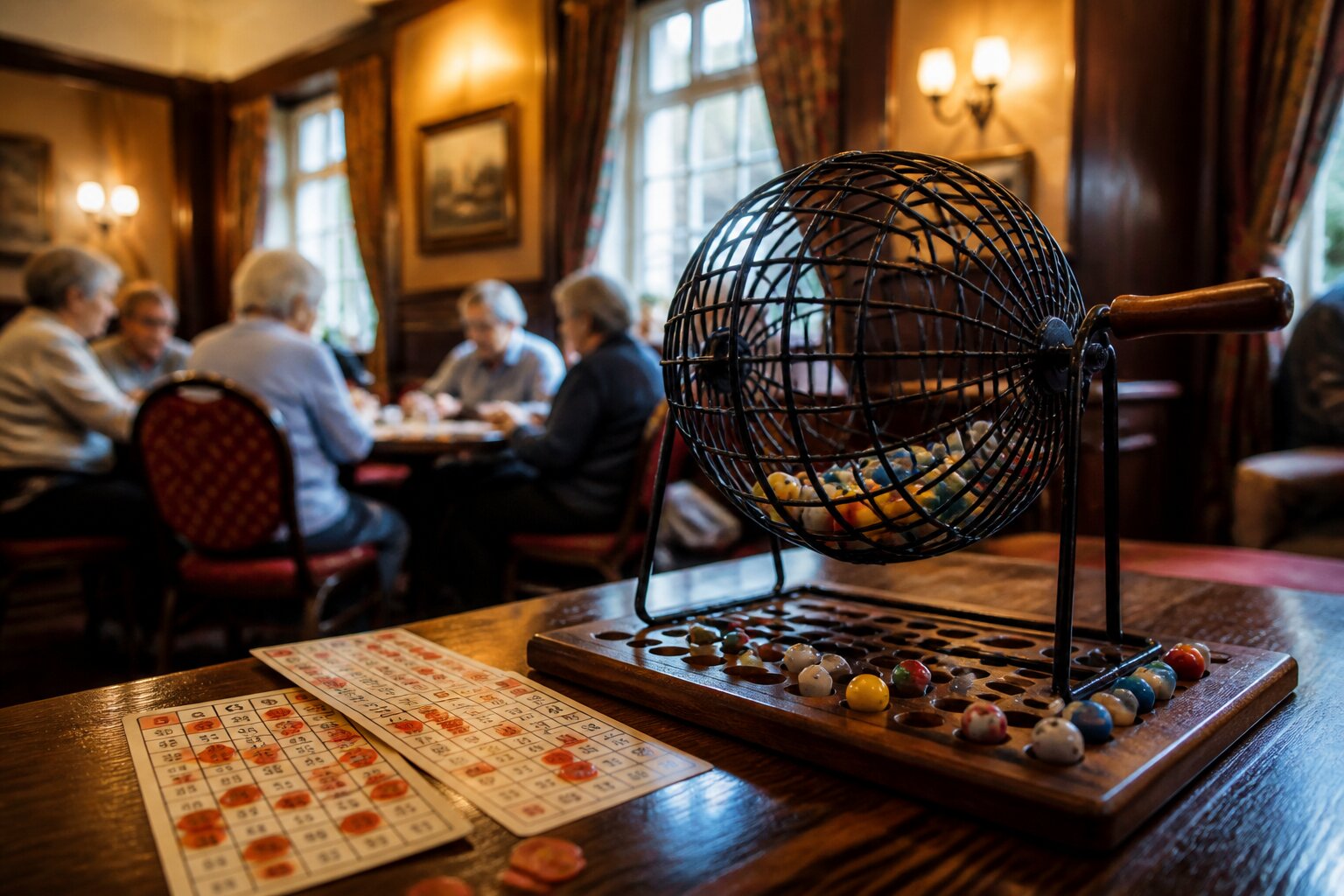
A major turning point came with changes to gambling law in 1960 that allowed larger cash prizes, encouraging the growth of commercial bingo clubs. These venues kept the essential elements: callers announcing numbers, players marking cards, and communal rooms full of chatter and anticipation. Over time, clubs developed their own rhythms and side activities — music, shows and fundraisers — which helped to embed bingo as a social institution as well as a game.
The environment in which bingo operated continued to evolve, bringing new formats and, later, digital alternatives that made the game available around the clock. That next stage of development explores how those formats and technologies reshaped play.
The Evolution of Bingo: Key Milestones
Bingo’s evolution is a sequence of adaptations: rule changes to suit local preferences, commercial innovations to attract players, and technological shifts that widened access. Those changes explain why there are several distinct formats and how the game moved from community halls to online rooms.
Changes in Game Formats and Rules
Different countries adopted different card structures and win conditions. In the UK, the 90-ball game — three rows by nine columns — became the standard. In the United States the 75-ball variant, with a five-by-five grid, allowed for a variety of line and pattern wins. To keep games engaging, operators introduced innovations such as session jackpots, faster-play rounds and the option to play multiple cards at once. These adjustments catered to varied tastes: some players appreciate longer sessions with social interaction, others prefer quick rounds and higher prize turnover.
These format differences also influenced how games were presented and managed in venues and eventually online, making the transition to digital play more straightforward.
The Rise of Online Bingo
The internet transformed access to bingo by allowing players to join games at any hour and to connect with people beyond their local area. Early online rooms mirrored traditional formats while adding chat features, themed games and community forums. As the market matured, sites organised tournaments and linked progressive prizes that pooled players from multiple rooms.
Regulation and player protections kept pace with this shift. Online platforms operating in the UK are subject to regulation that requires measures such as identity checks, deposit limits and tools to help players manage their activity. Support organisations also provide independent help for anyone who needs it, ensuring that online play takes place within a framework intended to protect participants.
With formats settled and digital delivery established, bingo’s role in British life continued to change in ways that went beyond the mechanics of the game.
Why Is Bingo So Popular in British Culture?
Bingo’s popularity rests largely on its social value. Halls and clubs have for decades been meeting places where neighbours see one another, local groups raise funds and performers mingle with players. Community-oriented events — charity nights, fundraisers and themed evenings — have strengthened that role, turning a game into a focal point for local activity.
The game’s appeal also lies in its accessibility. Cards are straightforward, the rules are easy to follow, and groups spanning different ages can play together. That makes bingo useful for organised fundraising and community events, where familiarity with the format helps volunteers and attendees get involved quickly. Rather than relying on elaborate skill, the game offers a shared experience that supports conversation, companionship and local causes.
Next we’ll look at some moments and figures that helped shape the public story of bingo, from record-breaking games to widely reported wins.
Famous Bingo Moments and Notable Figures
Across decades of play, a few events and personalities stand out. Large record games have gathered thousands of participants under a single roof, drawing media attention and illustrating the scale bingo can reach. Notable wins and high-profile fundraising events have punctuated the game’s public life, while guest callers from television and comedy have lent a spotlight to one-off charity occasions.
Historic clubs and early national initiatives also contributed to bingo’s national presence, coordinating linked games and larger prizes that created a shared experience for players in many venues simultaneously. These milestones show how bingo has worked at both local and national levels, shaping traditions that remain familiar today and keeping the game relevant as formats and audiences change.
Bingo’s long history — from Italian lotto to contemporary digital rooms — is a story of adaptation and community, and that tradition continues to influence how people play and gather today.
Discover Online Slots at Wizard Slots
We’re always pleased to welcome new faces to our site, where you can explore a wide selection of casino games and enjoy a relaxed, friendly atmosphere. With plenty to discover, you’re invited to join us and see what makes playing at Wizard Slots a unique experience.
Getting started couldn’t be simpler – just create your account, make a deposit, and you’re ready to play. We look forward to seeing you enjoy your time with us.
**The information provided in this blog is intended for educational purposes and should not be construed as betting advice or a guarantee of success. Always gamble responsibly.