
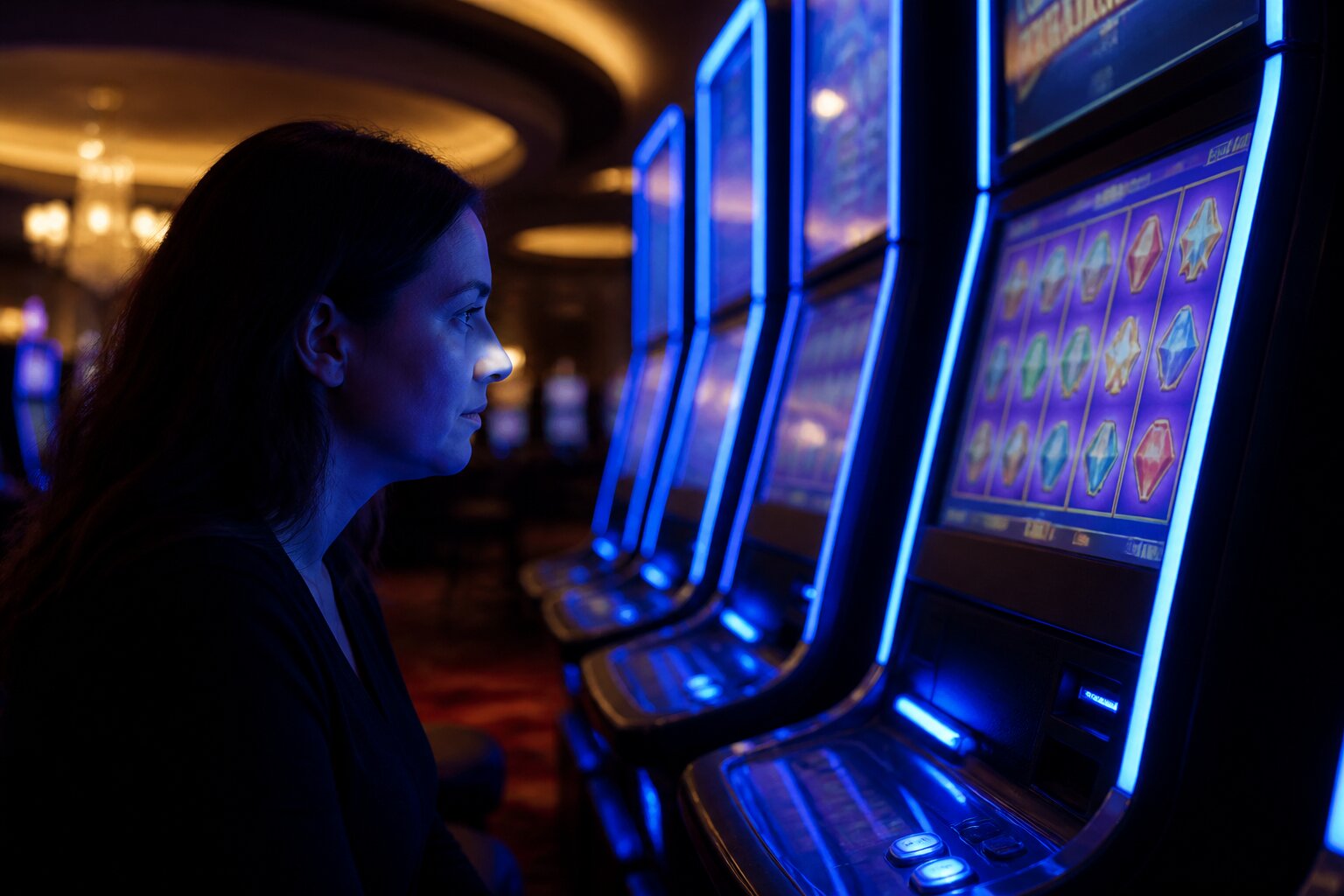
You’ve probably noticed how bright and colourful slot machines look, whether you play online or visit a casino. That glow comes from modern display technology, which often emits a noticeable amount of blue light alongside other colours.
With so much time now spent in front of screens, it makes sense to ask what that blue light actually is and whether it matters when you play. This article explains the science in plain terms, explores possible effects and practical steps you can take to stay comfortable, and looks at what experts say.
Read on to find out what blue light means for you as a player and how to keep your sessions enjoyable and comfortable.
What Is Blue Light and Where Else Is It Found?
Blue light is simply part of the visible light spectrum. Compared with longer wavelengths such as red or orange, blue light has a shorter wavelength and higher energy, which makes images look crisper and colours appear more vivid on screens.
Sunlight is the largest natural source of blue light, so daily outdoor exposure is far greater than what most artificial devices emit. Nevertheless, many modern screens and LED lighting produce noticeable amounts of blue light because it helps deliver sharp contrast and bright displays. That is why smartphones, tablets, televisions and gaming monitors all look so clear and detailed.
Blue light also plays a role in the body’s sleep and wake rhythm. Exposure to blue-enriched light during the day can support alertness; later in the evening it can make it harder for some people to fall asleep. The effects depend on timing and duration of exposure, which is an important point when thinking about screen use in the hours before bedtime.
Why Do Slot Machines Use Bright Lights?
Slot machines combine sound, movement and colour to create an engaging visual show. Bright, saturated colours including blue help make symbols, animations and bonus features easier to see and follow on screen. Flashing lights and dynamic displays are used to highlight key moments like a bonus game or a large payout animation, not to change how the game itself behaves.
Designers also use contrast and brightness to attract attention in a busy environment. A clear, high-contrast display helps players read information on the screen quickly and understand what is happening during play. The result is an experience that is easy to follow and visually stimulating without altering the underlying mechanics of the game.
These design choices can be visually intense for long sessions, so it helps to be aware of how lighting and screen settings affect comfort as you play.
Can Blue Light from Slot Machines Affect Your Health?
Blue light from slot machines is the same type of light produced by other digital devices. For most people, occasional exposure during normal play will not cause lasting harm, but prolonged sessions can produce temporary effects that are worth understanding. Awareness of how and when you play can help you reduce any potential discomfort.
Eye Health and Discomfort
Spending long periods looking at bright screens can lead to symptoms commonly described as digital eye strain. People may notice tiredness, dryness, blurred vision or general discomfort after extended play. These issues generally come from sustained focus and a reduced blink rate rather than blue light causing structural damage to the eye.
Simple steps such as taking regular breaks, looking away from the screen periodically and ensuring ambient lighting is not excessively dim can reduce symptoms. If you wear glasses, an optician can advise on lens coatings that may help with glare and overall comfort, though these are not a cure for the underlying cause of strain.
Impact on Sleep Patterns and Circadian Rhythm
Evening exposure to bright, blue-enriched light can suppress the body’s production of melatonin, the hormone that helps prepare us for sleep. Playing under bright screens late at night may therefore delay sleep onset for some people, making it harder to fall asleep at a usual time.
Timing matters. The same light exposure in the morning or daytime is much less likely to disrupt sleep, and some people find adjusting play times or reducing screen brightness in the hours before bed helps. If sleep disruption is noticeable, reducing late-night screen time or using features that lower blue light emission may be worth trying.
Effects on Mood and Behaviour
There is no evidence that coloured lights on slot machines directly cause problematic gambling behaviour. Behavioural effects are complex and shaped by many factors, including individual vulnerability, personal circumstances and broader environmental influences.
However, long sessions with intense audiovisual stimulation can affect mood and concentration. Players may feel more tired, impatient or unsettled after extended periods. Keeping sessions at comfortable lengths and taking breaks can help maintain clearer thinking and a more measured approach to play.
If discomfort or sleep disruption becomes noticeable, adjusting play patterns and screen exposure can help. Seeking advice from a healthcare professional or an optician is sensible if symptoms persist or worsen.
Are Slot Machines Designed to Influence Player Behaviour?
Slot machines are built to be entertaining and clearly communicate game events. Sounds, lights and graphics work together to show wins, losses and special features in an obvious way. These elements aim to enhance enjoyment and make play easy to follow rather than to manipulate decisions about how long someone should play.
Regulation focuses on fairness and transparency. Rules require that the game mechanics are clear and operate as advertised, and that players have access to information about how the game works. Tools built into many platforms — for example, time or spend reminders — exist to help players manage their sessions if they choose to use them.
Design can make play more absorbing, but equipment and display effects do not alter the randomised outcomes that determine game results. The next section examines common misunderstandings about the visual side of slot machines.
Common Myths About Slot Machines and Blue Light
Some myths persist around lights on slot machines. One is that those lights somehow make a machine more likely to pay out. In fact, regulated machines use random number generation to determine outcomes; visual effects are independent of that process.
Another myth is that blue light from gaming displays is uniquely dangerous compared with other screens. While bright screens can produce discomfort if used for long periods, the exposure from a slot machine display is comparable to other digital devices and has not been shown to cause specific long-term harm when experienced in typical amounts.
A further misconception is that the sensory design directly causes addiction. Addiction involves many psychological and social factors; lights and sounds are components of the overall experience but are not the sole cause. Understanding these distinctions helps separate what is aesthetic from what actually determines play outcomes and risks.
How Can You Reduce Blue Light Exposure in Casinos?
There are practical, non-intrusive ways to reduce strain and make play more comfortable. Taking regular breaks from looking at any screen lets the eyes rest and reduces the likelihood of strain. Shifting focus to something at a distance for a few minutes eases accommodation and blink rate.
Where possible, choosing seating with softer ambient lighting or a view of the wider floor can lessen the contrast between a bright screen and surroundings. Many devices allow brightness adjustments; lowering display brightness when the setting allows will reduce intense glare without affecting the game. Simple routines such as pausing to walk around the venue or stepping outside for a short period can also refresh concentration and help maintain a healthy balance between play and other activities.
These practical adjustments are supported by experts and lead naturally into an overview of what current research says about screen exposure.
Expert Opinions and Current Research
Health authorities in the UK and elsewhere note that most effects attributed to screens—such as digital eye strain and sleep disruption—stem from prolonged or late-night exposure rather than a unique hazard from any particular device. Research shows that cutting down night-time exposure to blue-enriched light can help people fall asleep more easily, and that the same guidance applies across all digital displays.
Studies investigating gambling environments tend to focus on player protection, transparency and support measures rather than lighting alone. Evidence so far does not single out slot machine displays as presenting special risks beyond those associated with extended screen use. Researchers continue to examine how environment and design interact with behaviour, but current guidance emphasises moderation, rest breaks and awareness of individual sensitivity.
With that evidence in mind, the following section considers whether concern about blue light needs to change how you approach play.
Should You Be Concerned About Blue Light in Casinos?
For most players, blue light exposure from slot machines is not a cause for alarm. The exposure level is similar to many everyday devices, and short-term discomfort is usually managed with simple adjustments to posture, lighting and play duration.
Pay attention to personal signs such as eye strain or disrupted sleep. If these occur after extended sessions, it makes sense to shorten sessions, adjust screen brightness where possible and introduce more frequent breaks. For those with specific health concerns, consulting a healthcare professional will provide tailored advice.
Keeping play enjoyable means balancing sessions with other activities and being mindful of how screens affect rest and wellbeing. The next section pulls these points together so you can remember the essentials.
Summary: What to Remember About Slot Machines and Blue Light
Slot machines use bright colours and modern displays that include blue light, but the amount is comparable with other digital screens. Short-term effects such as eye strain and sleep disturbance are linked to prolonged or late-night exposure rather than being unique to casino displays.
If you experience discomfort, practical steps like taking breaks, adjusting brightness and varying your environment can help. Games are designed to be entertaining and to present information clearly; the visual design does not change how outcomes are determined.
If you are concerned about persistent symptoms or their impact on daily life, seek advice from a healthcare professional. With sensible habits and awareness, playing casino games can remain an enjoyable activity that fits comfortably within your normal routine.
**The information provided in this blog is intended for educational purposes and should not be construed as betting advice or a guarantee of success. Always gamble responsibly.