
Have you ever spotted a missed call from a number you don’t recognise, especially after you’ve shopped somewhere? It’s common to wonder where it came from and whether it’s genuinely linked to the store.
This article explains how retail callers operate, the types of numbers they use and how to check a call’s legitimacy so you can respond confidently. Read on to learn what each kind of call usually means and what to do if you miss one.
How Do Store Cash Registers Contact Customers?
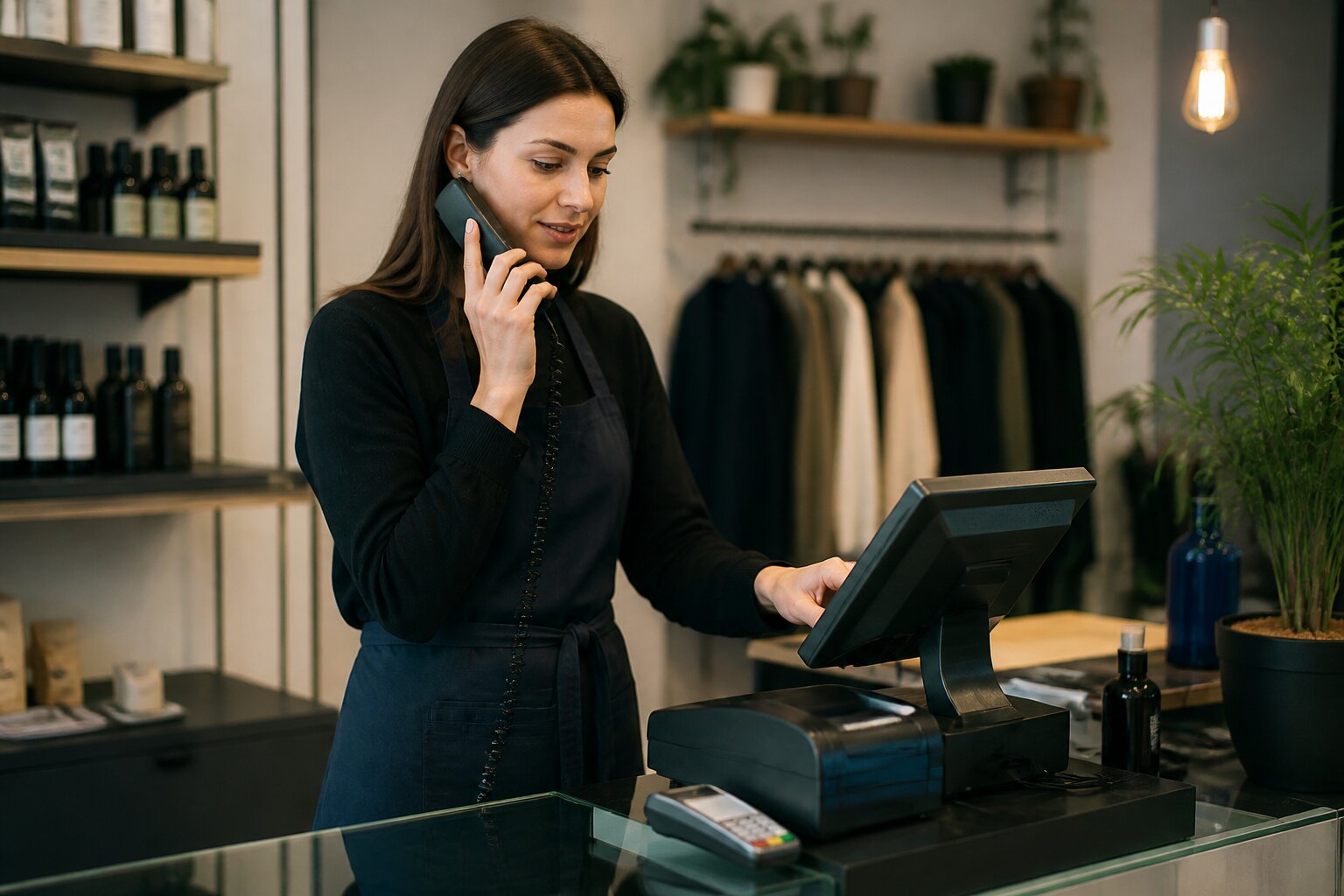
Retailers contact customers for practical reasons: confirming a Click & Collect order, updating a loyalty query, or sorting a payment issue. These calls often come from automated systems connected to the point-of-sale terminal, or from staff using a secure company line.
Automated systems may place outbound calls through numbers managed by third-party providers on the retailer’s behalf, which is why the number on your phone can look unfamiliar. Customer information used in these systems is handled under strict data-protection rules and transmissions are routed through secure networks to guard privacy. Staff who manage these contacts are trained in data handling and permitted contact practices.
Calls are meant to be strictly business-related and compliant with regulatory requirements; for example, stores will not contact customers under 18 about account matters. If you want to follow up, the next section explains where those outbound numbers commonly originate so you can spot a valid caller quickly.
What Numbers Do Shops Use for Outbound Calls?
Shops may use a range of numbers when calling customers. Small branches sometimes use a local landline tied to the store, while larger retailers often call from a central customer-service number shown on receipts or the website. Automated systems can also generate non-geographic or withheld numbers, which look unfamiliar but are legitimate for outbound messages.
Because some numbers won’t accept incoming calls, seeing an odd number on your phone doesn’t necessarily mean the call is suspicious. The key is how the caller behaves: genuine retail callers will provide specific order details and offer an official callback route rather than asking for sensitive information. The following section outlines how to recognise legitimate retail calls and spot warning signs of scams.
Identifying Calls from Retail Store Systems
Telling a genuine retail call from a scam is mostly about context and the information the caller provides. A real store caller will reference a recent purchase, an order reference or another detail that ties the call to a transaction you actually made. They should state the store’s name and provide a verifiable way to call back.
Scam calls often use pressure tactics or ask for sensitive information. Spoofed numbers may appear as withheld, local or even familiar-looking lines copied from official sources. If the caller requests passwords, full card numbers or bank PINs, that’s a clear red flag. When in doubt, use the retailer’s official contact details from a receipt or their website to confirm the call’s purpose.
To help you decide what to do next, the following section summarises the common reasons stores call, so you can match the likely motive to any message you receive.
Identifying Legitimate Store Calls
Legitimate calls normally relate to something recent: an item you bought, an order being ready for collection, or a clarification about a payment. The caller will either give a clear reference or explain how to proceed without asking for full payment details. They will not rush you into a decision and will respect your right to call back on an official number.
How to Spot Potential Scams or Spoofed Numbers
Scams may feature urgent language, requests for private payment data, or a claim that immediate action is needed. Numbers may show as withheld or mimic store lines. If a caller insists on sensitive information or you have no recent contact with the retailer, end the call and make a fresh contact using the store’s published number.
Why Might a Customer Receive a Call from a Store Register?
Retail calls serve practical tasks: confirming purchase details, letting you know an order is ready, clarifying a payment or following up on a return or complaint. Staff might also ring regarding loyalty-account queries or to arrange an appointment related to services offered by the store. These calls often relate directly to an active interaction you have had with the retailer, such as an online order, a click-and-collect request or a recent in-store visit.
These contacts are part of customer service and should focus on resolving an issue or completing a transaction rather than promoting unrelated offers. They can be brief and transactional, for example confirming a delivery slot, or more involved, for example walking through a refund or discussing repairs. Callers should identify themselves and the store clearly so you can decide whether to continue the conversation.
If you receive a call that does not fit any of these purposes, the next section explains why calling the number back might not work and how to follow up appropriately. You may also want to check recent emails or text messages from the retailer, or log into your account with the store to see if there is a message or notification that matches the call.
Can You Call Back a Store's Cash Register Number?
Many outbound numbers are automated or routed through call systems that do not accept incoming calls, so calling back the exact number you saw may not connect. In such cases you may hear a recorded message or reach an unmonitored line. Sometimes the number shown is a centralised outbound line used for multiple stores, so it will not link directly to the till you spoke to.
For accurate help, use the retailer’s official contact details from a receipt or their website. That ensures your enquiry reaches the right team and avoids sharing information with an unverified line. You can also check the retailer’s app if they have one, or visit the store in person if the matter is urgent or relates to a recent transaction.
When you do speak to someone at the store, take steps to protect your data. Do not give out full card numbers, your PIN, or CVV over the phone. Ask the staff member for their name and a reference or case number, and note the time and date of the call so you have a record of the conversation.
If you are unsure whether a number is genuine, phone the main customer service number listed on the retailer’s website and ask to be transferred to the relevant store or department. That approach helps confirm you are dealing with an authorised representative and reduces the risk of sharing sensitive information with an unauthorised party.
Protecting Your Personal Information When Receiving Store Calls
Protecting personal information is straightforward if you follow a few clear habits. Ask callers for details that demonstrate they are dealing with an actual order, but never give out passwords, full card numbers or security codes over the phone. Legitimate store staff will not ask for these.
If a call feels unexpected or the caller’s answers don’t add up, end the call and contact the store using official channels. Keeping a record of reference numbers and the time of the call makes any follow-up easier and helps the retailer resolve the matter quickly. If you need guidance on what to say, the next section suggests safe ways to respond to missed calls.
What to Do If You Miss a Call from a Store Register
Missing a call is common and usually has a simple explanation. Rather than return a potentially unmonitored number, check your receipt or the retailer’s website for the correct contact number and reference the time of the missed call. Explain that you received a missed call and provide any order or account references you have to help staff find the relevant record.
Retailers handle follow-ups without requiring instant responses and will guide you through any next steps. Making contact through verified channels keeps your personal information secure and helps resolve the matter efficiently.
**The information provided in this blog is intended for educational purposes and should not be construed as betting advice or a guarantee of success. Always gamble responsibly.