
Have you ever wondered where the spinning reels and flashing lights began? Slot machines are a familiar sight today, but their story starts over a century ago with a simple, clever idea.
From the original mechanical cabinets to the touchscreen video games you can play at home, the machines have changed dramatically. Read on to discover how a modest invention grew into one of the most recognisable forms of entertainment.
What Inspired the Creation of Slot Machines?
In the late 1800s, people were fascinated by machines that moved and made noise. Mechanical engineering was advancing quickly, and inventors were keen to apply these advances to everyday amusements. At the same time, social spaces such as pubs and bars looked for small entertainments that could engage patrons without needing much space or attention.
That mix of curiosity and demand led inventors to combine simple mechanics with playful design. The aim was not to promise wealth but to offer a short, entertaining experience that anyone could use. Early machines used springs, gears, and levers to produce an automated game; their novelty lay in the way a user could interact with a device to trigger an outcome and a small reward, often non-cash due to legal restrictions at the time.
These practical beginnings explain why the first machines were compact, mechanical, and easy to maintain, traits that paved the way for later developments.
Key Milestones in the Evolution of Slot Machines
The evolution of slot machines is a timeline of engineering, regulation, and shifting public taste.
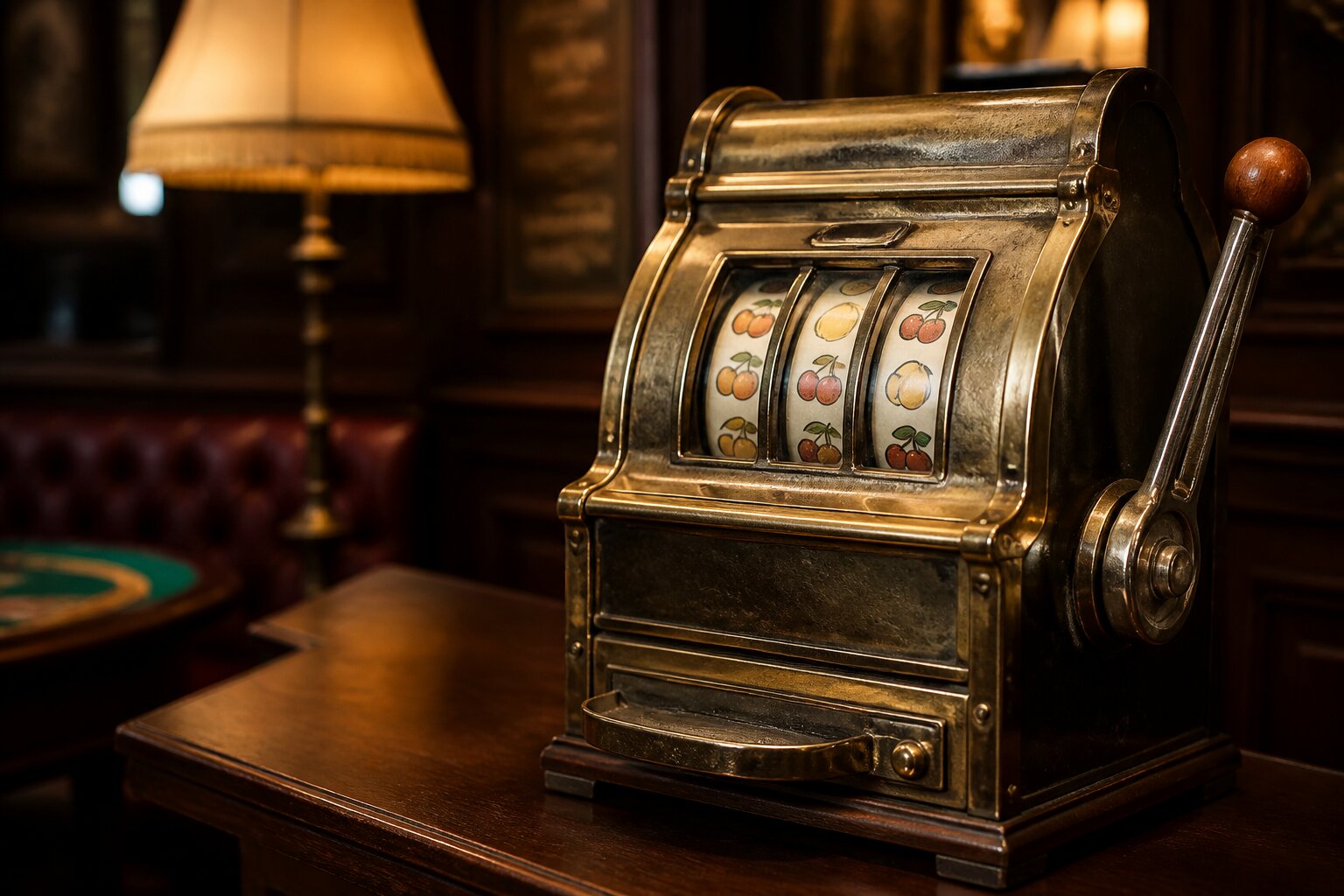
Charles Fey’s Liberty Bell, invented in San Francisco in the 1890s, is widely regarded as the first recognisable slot machine. It used three spinning reels and a lever to start the play. Early in the 20th century, machines spread but often paid out non-monetary prizes such as sweets or drinks to comply with gambling laws.
Mid-century innovations introduced electrical components into the cabinets, allowing lights, sounds, and more reliable payouts. These electromechanical machines made it easier to add features and to secure the devices against tampering. The 1990s brought a big technological leap: video slots replaced moving mechanical parts with digital screens, and software-based random number generation improved how outcomes were produced and audited.
Online slots followed soon after, making games accessible from home and opening the door to many more themes, bonus mechanics, and ways to play. Throughout this progression, regulation and testing became increasingly important to ensure fairness and to protect players, with bodies such as the UK Gambling Commission setting standards for game integrity and player safeguards.
How Did Slot Machines Become Popular in the UK?
Slot machines first became visible in British life as fruit machines in pubs, arcades, and seaside venues. They suited social settings because they were compact, affordable to run, and provided a short burst of entertainment that fitted into everyday leisure.
Changes to legislation in the 1960s broadened the availability of these machines under regulated conditions. That shift allowed more people to encounter fruit machines while keeping their operation within licenced premises. Over the decades, the machines themselves evolved to match public taste and venue needs, with sound and lighting tailored to draw attention without overwhelming the room.
As technology and regulation advanced, so did safety measures. Licensing and compliance rules focused on fairness and on preventing underage play. Operators also adopted player-protection tools such as deposit limits and account-based controls. These measures have shaped how slot machines sit within British culture: familiar, regulated, and integrated into a wider leisure landscape.
Mechanical to Digital: How Did Slot Machines Change?
The path from mechanical to digital fundamentally altered both the user experience and the machines’ internal workings.
Early cabinets relied entirely on springs, gears, and physical reels. A player pulled a lever, the reels spun, and symbols aligned to determine a result. Electromechanical designs later added lights and sounds, which made play more engaging and helped deter tampering by allowing for built-in checks and locks.
Digital technology replaced moving parts with screens and software. Early mechanical designs gave way to systems where random number generators produced outcomes in a way that could be tested and certified, while digital displays opened up new possibilities for themes and mini-games. Online play separated the machine from a physical cabinet altogether, letting software manage outcomes and player protection features centrally.
These technological changes increased the variety of games available and made compliance testing more systematic. They also introduced tools for players to manage their activity, such as session reminders and spend controls, helping keep play within personal limits.
Are Modern Slot Machines Different From Original Versions?
Modern machines differ from their ancestors in form and function, but they share a common purpose: to provide a brief, regulated entertainment experience.
Original models were mechanically simple, with a single payline and a small set of symbols. Today’s titles tend to use multiple paylines, complex bonus mechanics, and visual storytelling delivered through detailed graphics and sounds. Behind the scenes, software controls pay tables, random number generation, and auditing, allowing regulators and operators to monitor fairness and compliance more closely than ever before.
The player experience now includes options for customisation and protection. Account tools can limit deposits or restrict playtime, and information about how games work is generally more accessible. Those protections reflect an industry that has grown alongside more formal regulatory frameworks and testing procedures.
Common Myths About the Origins of Slot Machines
Several persistent stories have grown up around slot machines, and it helps to separate fact from fiction.
Although Las Vegas is often linked with the rise of casino machines, the earliest documented machine came from San Francisco, created by Charles Fey. Early fruit machines did not originally aim to offer cash winnings; many paid out sweets because local laws limited gambling payouts. While mechanical machines could be physically tampered with in their era, there is no evidence that their design intentionally favoured manipulation over fair play.
Finally, the worldwide popularity of slots was not instantaneous. It developed gradually as machines became easier to produce, as venues and players adapted to them, and as regulation created safer, standardised markets.
Why Do Slot Machines Remain Popular Today?
Slot machines continue to attract players because they have adapted to changing tastes and technology while remaining straightforward in what they deliver.
One reason is sheer variety. Game themes, payoff structures, and visual presentation vary widely, so there are options that appeal to many preferences. Technology has also made playing easier: machines are available in high-street venues and online, and the same software frameworks that enable rich features also support protections such as limits and account controls.
Social elements play a part too. Arcade settings and some digital platforms offer communal features that let players share experiences or enjoy games alongside others in a controlled environment.
Throughout, regulation and operator responsibility shape how games are provided, emphasising fairness, transparency, and safeguards. For those managing their play sensibly, slot machines offer a familiar, regulated form of entertainment that continues to evolve with modern expectations.
**The information provided in this blog is intended for educational purposes and should not be construed as betting advice or a guarantee of success. Always gamble responsibly.