
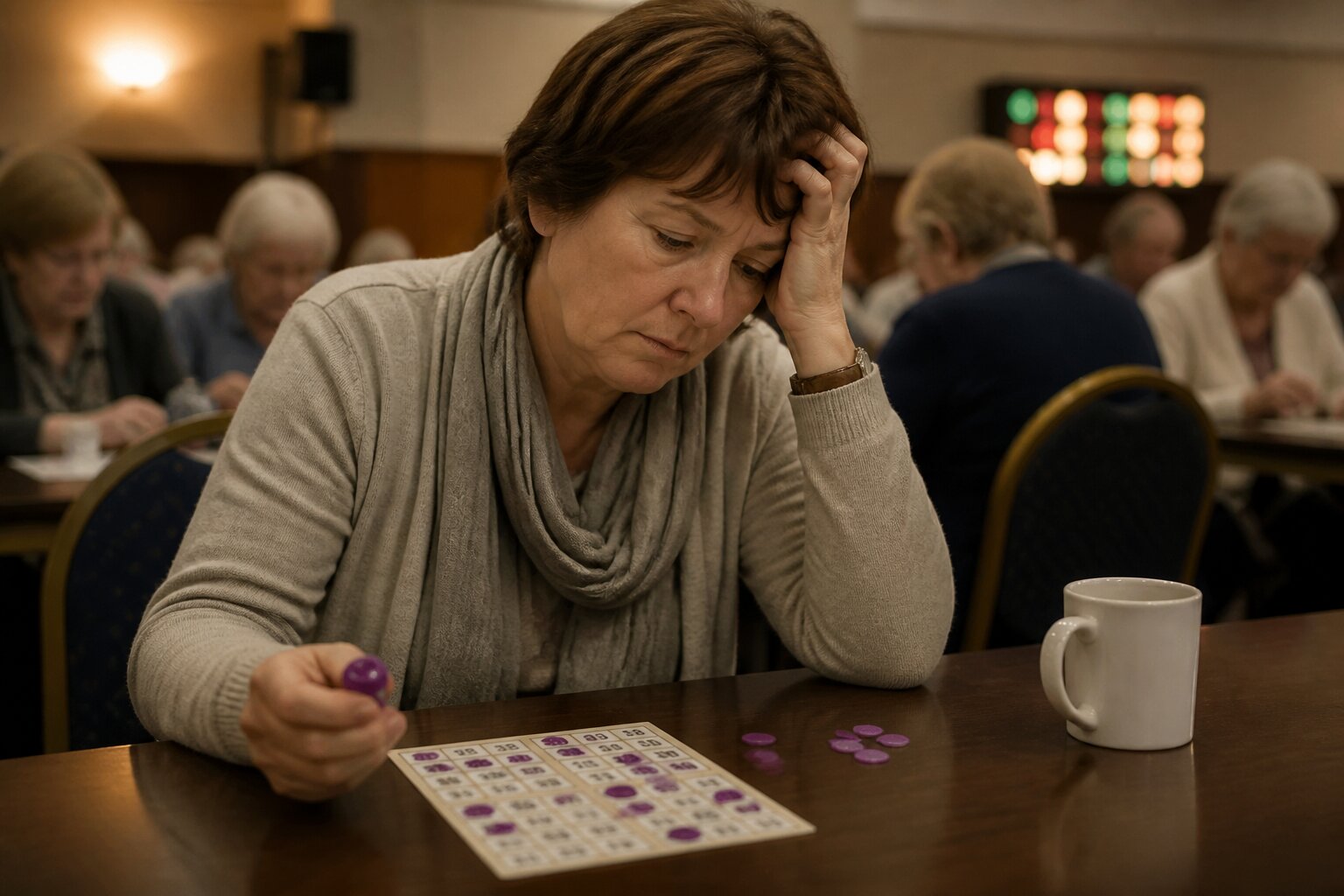
Many players wonder why wins seem rare despite frequent play. The answer isn’t a secret strategy or a pattern to spot; rather, it lies in how the game is structured and the factors that shape any single outcome.
This article explains the mechanics behind bingo results, clears up common misconceptions and shows how elements such as player numbers, ticket counts and game format affect the odds. Read on to see what truly matters when you play and how to set realistic expectations for your next session.
Is Bingo Skill or Pure Chance?
Bingo is a game determined by random draws, not player skill. When tickets are issued, the numbers on them are set randomly. During each game, balls are chosen either from a physical machine or by a computer using approved random number generation software. Both methods are designed to make every number equally likely to be selected, so no action by a player alters the sequence of numbers called.
Experience and familiarity with bingo rules can make participation smoother—knowing how to mark cards quickly or understanding different prize structures helps you enjoy the game—but these do not change the statistical chance attached to any given ticket. Systems that claim to identify "hot" cards or guaranteed patterns do not produce reliable advantages because each draw is an independent event.
Regulators set standards to ensure fairness and transparency in bingo operations. That means every ticket holds the same mathematical probability of winning in a game, according to how many tickets are in play. With that settled, the next question is how the number of players affects those probabilities.
How Does the Number of Players Affect Bingo Results?
The number of participants directly changes the competition for each prize. A ticket’s chance of winning is one divided by the total number of tickets in play. For example, if 100 tickets are active and you hold one, the probability for that ticket is 1 in 100; if there are only 10 tickets, it’s 1 in 10. Buying more tickets increases your share of the pool, but it does not alter the fairness of the draw itself.
Different settings attract different player counts. Community or charity halls often offer games with fewer tickets sold, which usually means smaller prizes but a higher per-ticket chance. Larger public sessions and many online rooms pool far more tickets, increasing prize pools but reducing a single ticket’s odds. Operators sometimes stage special events or progressive prize games that swell participation and thus change the competition, not the randomness.
Understanding how player numbers operate can help set expectations for prize size and probability. With that context, it’s useful to look next at whether selecting particular tickets makes any practical difference.
Ticket Selection: Does It Really Matter?
Ticket selection does not change the probability attached to a card. Whether a ticket is chosen by the player, assigned by staff, or generated automatically, each one is a random combination of numbers and has the same statistical chance of matching the numbers called.
There are practical considerations that follow from this. Some players prefer to buy multiple cards to increase the number of opportunities they hold in a game; others select tickets with different number spreads to make tracking easier. Both approaches are personal preferences rather than tactical edges: more tickets raise the proportion of the pool you control, but they come with greater cost and should be balanced against personal limits.
Operators may limit how many tickets can be bought to avoid excessive spending and ensure fair play. These measures, together with the random nature of tickets, mean that choosing a particular card is a matter of convenience and comfort rather than gaining an advantage. This leads into common beliefs about winning and why many of them are myths.
Common Misconceptions About Bingo Wins
Many widely held ideas about improving bingo results stem from misunderstandings of how random draws work. Addressing these myths helps separate helpful practises from wishful thinking, so you can focus on what actually affects the experience. Being clear about what is and is not relevant to outcomes also makes it easier to enjoy the game responsibly.
Can Personal Habits Improve Your Chances?
Some players follow rituals—specific days to play, a preferred seat or a lucky item. These habits can be part of the enjoyment and social routine, helping people settle in and feel more confident while playing. However, they do not change the mathematics of a draw. The outcome is determined by the numbers selected in each game, so personal routines affect only the player’s experience, not the result.
Rituals can still add value by enhancing comfort and camaraderie with other players, which keeps the activity pleasurable and social. It is important to recognise this distinction so that habits are enjoyed for what they bring to the experience, rather than being relied upon as a method to influence outcomes.
Is There a Pattern to Winning Numbers?
It’s common to look for patterns in past draws, such as numbers that haven’t appeared recently being "due." This idea can feel intuitive, but in reality, each draw is independent: previous results do not influence future ones. Systems claiming to predict numbers rely on perceived patterns that do not hold up under statistical scrutiny.
While players may track past draws out of curiosity or to follow the flow of a session, treating such history as a predictive tool is misleading. Understanding independence of draws helps keep expectations realistic and prevents time and money being wasted on methods that offer no real advantage.
Do Frequent Players Have an Edge?
Spending more time in bingo rooms or playing regularly does not alter the odds attached to a ticket. Regular players may become more comfortable with the format and faster at card marking, which improves their enjoyment and reduces missed wins, but frequency alone does not change the underlying probability of any ticket being called.
Familiarity with the game can make sessions run more smoothly for an individual and may help them choose the types of sessions they prefer, such as larger or smaller games. However, it is sensible to remember that greater participation does not translate into a statistical edge in winning.
Clearing up these misconceptions helps you understand which aspects of play are meaningful, and which are simply part of bingo’s social side. Next, consider how the venue and format shape the experience in practical ways.
How Venue and Game Type Impact Outcomes
Where and how you play determines prize structures, pace and atmosphere, though it does not change the random nature of the draw. Local halls and smaller sessions tend to sell fewer tickets, meaning smaller prize pots but a higher chance per ticket. Large rooms and online events often offer bigger prizes because many more tickets are sold, which increases competition.
Game variants change the route to a win. For example, in the UK-style 90-ball format there are multiple chances to win within one game—one line, two lines and full house—so players may register wins more frequently. In contrast, 75-ball games typically rely on a single pattern for victory, producing a single main winner per round. Special features such as progressive jackpots or themed prize nights alter the stakes and crowd size without affecting each ticket’s underlying probability.
Different venues may also offer more support for newcomers, themed sessions or charity games that change the social and financial context. Having covered how venues influence the environment, the next section looks at whether timing your play matters in any meaningful way.
Does Game Timing Influence Your Luck?
The timing of a session—weekday versus weekend, daytime versus evening—affects how many people are likely to take part and therefore the size of the prize pool, but it does not change the chance tied to any individual ticket. Peak times and special-event evenings usually attract more players, while quieter sessions draw fewer, leading to differing prize levels and competitive intensity.
Some players prefer quieter sessions because they feel more sociable or easier to follow, while others choose busier sessions for larger jackpots. These choices shape the experience rather than the probability. It is sensible to select times that match personal preferences for prize size and atmosphere rather than expecting a better statistical outcome.
Choosing sessions that fit individual priorities makes the game more enjoyable and manageable. With the factors that influence results now explained, you’ll be better placed to approach bingo with realistic expectations and a clearer idea of what actually matters.
Explore Casino Games at Wizard Slots
Settle in and enjoy the relaxed atmosphere of our site, where you can experience the fun of playing casino games your way. We invite you to explore at your own pace and see what you like about our friendly online casino community.
Getting started is simple – just create an account, make a deposit and you'll be ready to play. We’re always here to welcome you, whenever you fancy joining in.
**The information provided in this blog is intended for educational purposes and should not be construed as betting advice or a guarantee of success. Always gamble responsibly.