Playing the Irish Lottery via a bookmaker in the UK means placing a bet on the official draw rather than buying an official lottery ticket. That distinction affects how bets are accepted, how winnings are paid and what rules apply, so it helps to understand the difference before you play.
This article explains how betting on the Irish Lottery at bookies works in practice, where you can place bets, the types of wagers you may see, how payouts are calculated, and the key rules to keep in mind. Read on to get a clear picture of the process and what to expect at each stage.
How Does the Irish Lottery Work at UK Bookies?
When you place an Irish Lottery bet with a bookmaker in the UK, the bookie accepts a stake on which numbers will appear in the official Irish Lotto draw rather than issuing an official lottery ticket. The bookie sets the odds and the pay-out structure for each wager, and those terms determine any prizes you might receive.
Most operators let you select between one and five numbers from the main draw. If the numbers you have backed match the official draw, the bookmaker pays according to its own terms. Draws are held on published days and all bets must be placed before the cut-off time the bookmaker sets for that draw.
Because payments come from the bookmaker and not the official lottery, odds and payouts vary between firms. That means two different bookmakers might offer different returns for the same outcome. You must be at least 18 to place a bet, and identity checks are part of the process to ensure compliance with legal requirements. Next, we’ll look at the places that typically accept these bets and how to access them.
Where Can You Place Irish Lottery Bets?
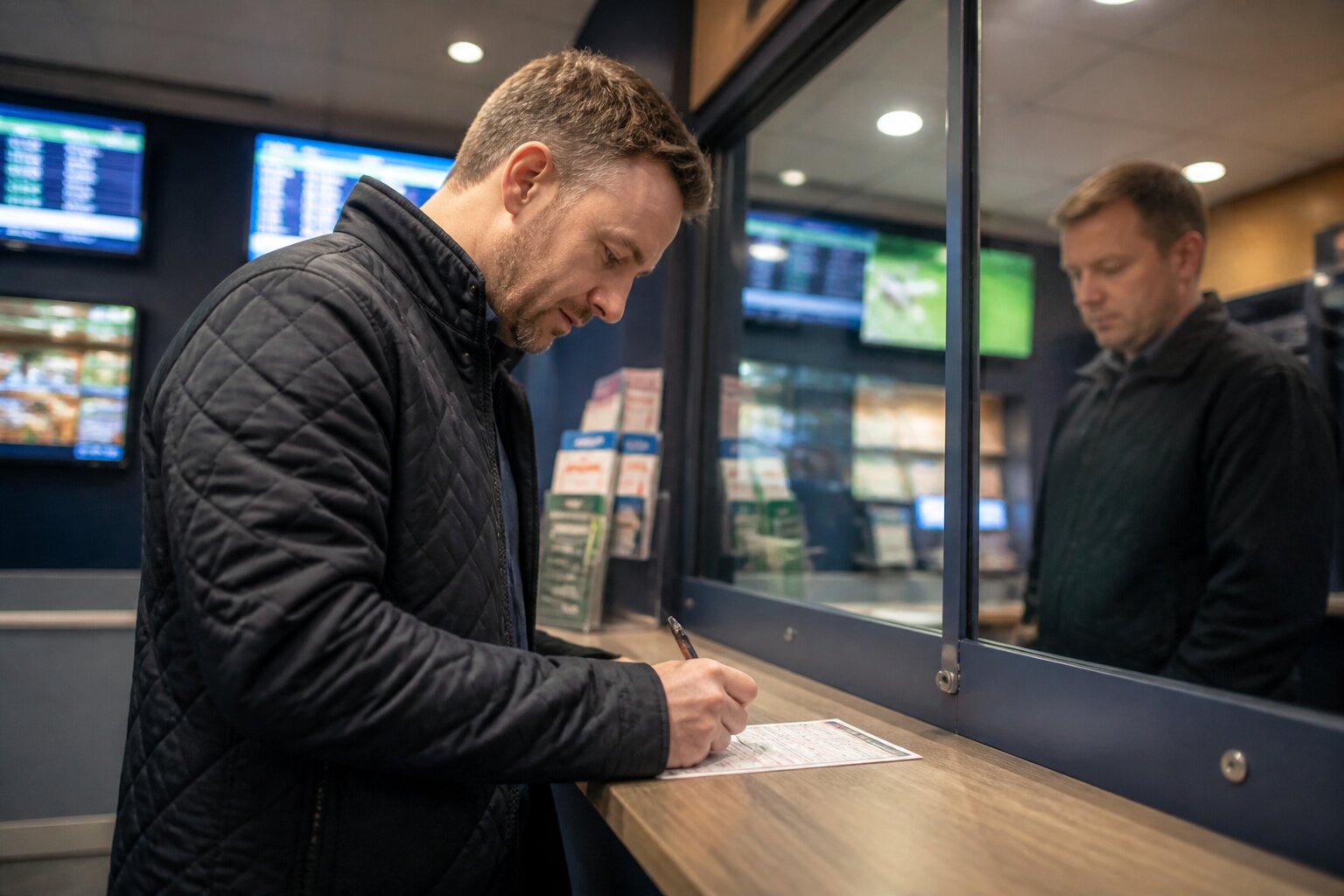
Irish Lottery bets are available at many high street betting shops and through the online platforms run by licensed operators. In shops, staff provide betting slips that you hand in at the counter, while online services let you select numbers and place stakes through an account on a website or mobile app.
Online betting allows access from anywhere within the UK, subject to account verification and location checks. For either route, choose operators that hold the appropriate licence and publish clear terms and odds so you can see what you are agreeing to before placing money on an outcome.
Bookmakers may differ in the specific markets and special bets they offer, and some accept a wider range of selections than others. With that in mind, it helps to know how the placement and acceptance of bets typically works so you are familiar with the process whether you play in person or via an app.
Step-by-Step Guide to Playing Irish Lottery at Bookies
Playing via a bookmaker follows a familiar pattern, though the exact user experience depends on whether you are in a shop or using an online account. In person, a completed betting slip is handed to counter staff who issue a receipt that records your numbers, stake and the draw you are backing. Online, the same details appear in your account once a bet is submitted and verified.
Age and identity checks are part of the process, and bookmakers may ask for documentation before or after a larger win is settled. Stakes are selected alongside the numbers you are backing, and the bookmaker confirms the bet by issuing a ticket or an electronic record. After the official draw takes place, the bookmaker verifies results against the bets they have accepted and settles any winning wagers according to the odds shown when the bet was placed.
Knowing how bets are recorded and settled helps when it comes to checking results and claiming any payout, and it also connects directly to the range of bet types you can choose from in a shop or online platform.
What Types of Bets Can You Make on the Irish Lottery?
Bookmakers offer a range of ways to bet on the Irish Lottery, and these typically split into straightforward single-number bets and multi-number combinations. A single-number wager involves backing one number to appear in the official draw, while combination bets cover two to five numbers on the same slip, with larger successful combinations attracting higher pay-outs as set by the bookmaker.
Some operators also provide markets that relate to secondary elements of the draw, such as whether a specific bonus ball appears or the sequence in which drawn numbers are announced. These special markets vary between bookmakers and often carry distinct odds, so the availability and value of such wagers depend on the firm you choose.
Because bookmakers design their own bet types and pay-out tables, it is sensible to scan the available markets so you understand how a chosen bet will be settled. The variety of bet types also affects how winnings are calculated, which is the next aspect to consider.
How Are Irish Lottery Winnings Calculated?
Winnings on Irish Lottery bets placed with a bookmaker are calculated from the odds the bookmaker set when the bet was accepted. That means the pay-out does not reflect the official lottery prize pool but rather the bookmaker’s published returns for the specific market and stake.
Operators typically present odds or fixed pay-outs for each type of bet, and those figures determine the return if the bet wins. Matching more numbers normally yields a higher return under the bookmaker’s structure, while single-number bets usually have a smaller, more frequent pay-out profile. All wins are subject to verification and any identity checks required by the operator before funds are released.
When a wager is successful in a shop, the receipt acts as the claim; for online bets, winnings appear in the player account once the result and stake are confirmed. Larger payouts may require additional documentation or transfer arrangements, and the bookmaker’s published terms explain how those situations are handled. Understanding settlement practices helps to avoid surprises, and knowing the rules that control bets and payouts makes the process clearer.
Irish Lottery Rules to Remember
Several consistent rules apply when betting on the Irish Lottery via bookmakers. Only people aged 18 or over may place bets, and bookmakers must carry out checks to confirm age and identity. Bets must be placed before the draw cut-off time set by the bookmaker; late bets are not valid for that draw.
Each operator sets its own minimum and maximum stake limits, and those figures should be checked before wagering. Settlement follows the official Irish Lottery results, but payments are made according to the bookmaker’s terms, which also cover disputes and technical problems. Familiarity with these terms reduces uncertainty about how claims and corrections are handled.
Keeping these rules in mind protects both the player and the bookmaker, and they are the framework that underpins the practical steps described earlier.
Common Questions About Playing the Irish Lottery at Bookies
People often ask whether they are buying an official ticket when betting through a bookmaker; they are not. Betting at a bookie is a separate commercial arrangement that mirrors the official draw, with the bookmaker responsible for any pay-outs. Another frequent question concerns identification: online accounts and larger in-shop claims will need age and identity verification in line with legal requirements.
Odds and potential returns are normally displayed before you place a bet so you can see the possible payout, and settlements follow verification after the draw. If there are questions about a particular bet, the bookmaker’s published terms and support channels are the place to find definitive answers.
If a bet is placed after the published cut-off for a draw, it will not be accepted for that draw. Similarly, different operators may handle minimum and maximum bets in different ways, so checking the available markets and limits is a sensible precaution before staking money.
Responsible Gambling and Support Services
Playing should be a controlled, informed activity. Licensed operators provide tools to help manage spending and play time, including deposit limits, account cooling-off features, and self-exclusion options. These measures can be applied to accounts to suit individual needs.
If gambling begins to feel difficult to manage, confidential help is available. Specialist support organisations provide advice, practical resources and helplines to anyone who needs them. Using the tools offered by operators and seeking support where appropriate are the clear ways to keep gambling within personal limits.
Final statement: understanding how betting on the Irish Lottery at bookmakers works, the types of wagers available, how payouts are set, and the rules that apply makes it easier to make informed choices and handle outcomes with confidence.
**The information provided in this blog is intended for educational purposes and should not be construed as betting advice or a guarantee of success. Always gamble responsibly.