

A familiar question which often arises when a player has had a payout on a slot is whether you should move to another slot or keep spinning on the same machine.
In short, you don’t need to switch. Slot outcomes are random and independent, so a recent win doesn’t make a machine “hot” or “cold”. Instead, base your next move on your bankroll, the game’s volatility, and how you want to play.
How Do You Know When To Stop Playing a Slot Machine?
Deciding when to stop is more about your play experience than the machine itself. The points below outline common signals that it’s time to walk away and keep your session under control. Recognising these signals early can help you maintain responsible play and protect your bankroll.
You start to get tired
When concentration fades, mistakes and poor choices become more likely. If fatigue sets in, a break is the sensible option. Stepping away for a short walk or a rest helps keep decisions clearer when you return, and can often restore perspective on whether to continue.
Set time and money limits
Having a pre-set budget and a time cap gives each session structure. Many online casinos let players set alerts for time and spending thresholds; these prompts act as useful reminders to stick to the plan rather than extend a session unintentionally. Sticking to limits helps avoid chasing losses and supports more enjoyable, sustainable play.
If you encounter multiple losses
Long losing runs can be frustrating. Because each spin’s result is independent, continuing on the same machine in the hope of an imminent win is not a reliable response to losses. Recognising when losses are mounting helps avoid deeper damage to a bankroll and preserves the enjoyment of playing. If a losing streak is affecting your mood, it is a clear sign to pause or stop.
If your sentiments about the game change
The main point of slot play is to enjoy the experience. If a session becomes stressful or stops being fun, calling it quits preserves both your mood and your funds. Ending a session on a neutral or slightly positive note makes it easier to come back later with a fresh mindset, if you choose to play again.
Knowing when to stop protects the session. The next section explains why moving machines after a win or loss is unlikely to change the mathematical odds you face.
If a Slot Machine Hasn't Paid Out Lately, Is It Due To Hit?
It is not possible to predict that a machine is “due” to pay out. RNGs operate continuously and generate the outcome for every spin independently, so a sequence of quiet spins does not alter the probability on the next spin.
Those RNGs are complex algorithms that select outcomes in fractions of a second, whether the machine is being watched or idle. Because each result is produced without reliance on past outcomes, patterns such as long dry spells are simply part of statistical variation rather than signals that a hit is imminent.
Understanding this helps frame sensible choices about when to stop or switch machines, since any decision should be guided by personal limits and enjoyment rather than expectations about what the machine “owes” a player. With that cleared up, it’s worth looking at how rare larger wins, like jackpots, actually are.
How Often Do Slot Machines Hit The Jackpot?
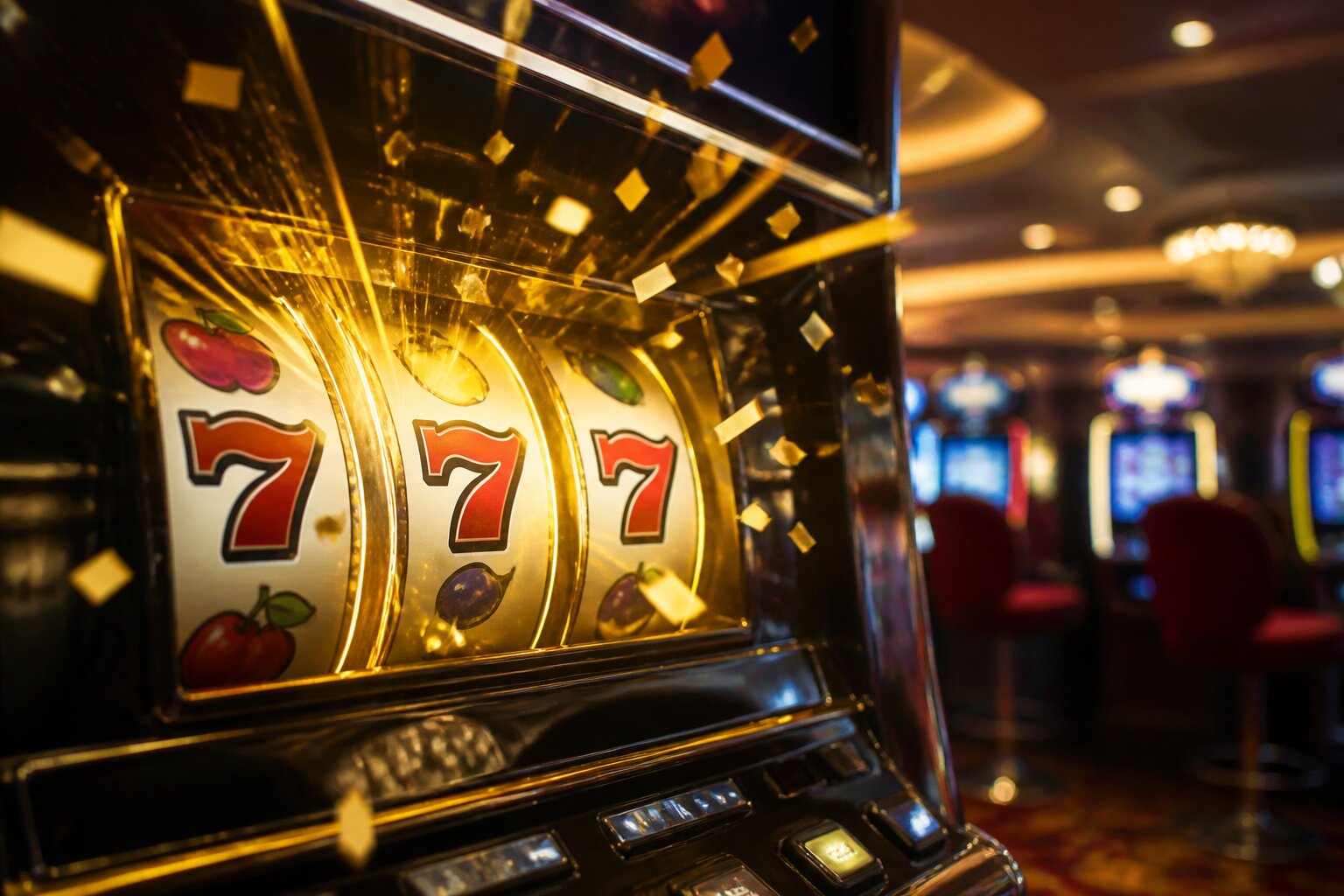
Jackpot frequency varies widely between titles and networks. Progressive jackpots — such as those on Cleopatra's Gold, Mega Moolah, and Major Millions — can reach very large sums because they accumulate contributions from many players across a network. That scale is why a progressive jackpot’s trigger is an uncommon event; the odds are typically very low.
Smaller, fixed jackpots are more likely to occur than progressives, but they still may require hundreds or thousands of spins before they appear. The specific chance of a jackpot depends on a game’s internal design, including reel configurations and symbol weights, which are set by the game developer and reflected in the slot’s published return-to-player (RTP) figure.
Because jackpots are rare by design, treating them as the primary reason to play is not a sound approach. Appreciating their scarcity helps set realistic expectations for play and keeps attention on entertainment rather than chasing unlikely outcomes.
The Bottom Line
Leaving a slot machine after a win has no effect on the machine’s future behaviour, because every spin is independently determined by an RNG. Deciding whether to stay or switch is best guided by personal limits, energy levels, and the quality of the session rather than beliefs about streaks or machines being “due.” Keeping these practical points in mind makes sessions clearer and more enjoyable, and it helps players focus on outcomes they can control — their choices about time, budget and when to stop.
**The information provided in this blog is intended for educational purposes and should not be construed as betting advice or a guarantee of success. Always gamble responsibly.